


Post-Operation Care
Regardless of your performed procedure or surgery as an in-patient or a day-case, it will still have a significant impact on your activities of daily living and routine while you recover. Each procedure will have its own restrictions and challenges, and you will receive detailed instructions for the recovery of your specific procedure.

Post-Op Recovery Info


.jpg)


If you are unable to reach anyone at the Practice or feel you have a medical emergency, please do not hesitate to go to the nearest urgent care or emergency department for further management.

First 24 hour precautions
Impact on Daily Life
-
Any foot or ankle surgery (day case or in-patient) will affect your daily routine while you recover.
-
Each procedure has specific restrictions — follow the instructions given for your surgery.
Go Home Safely
-
Go directly home or to the place where you will be cared for.
-
A responsible adult must stay with you the first night.
No Alcohol
-
Do not drink alcohol for the first 24 hours.
Dizziness
-
Feeling lightheaded is common after surgery or while on pain medication.
-
Sit up slowly before standing and have someone help you when walking.
Decision-Making
-
Do not make important or legal decisions for 24 hours or while taking strong pain medication.
Common Temporary Side Effects
-
Dry mouth, sore throat, sleep problems, or muscle aches may occur.
-
These usually go away within 24 hours.
Recovery Expectations
-
These are general guidelines—your recovery may be different.
-
Always follow the specific instructions given to you after surgery.

Pain Management
Pain Block & Pain Medication – What to Expect
-
A nerve block can last up to 72 hours after surgery. This means you may not feel or move your foot during that time.
-
You will feel pain once the block wears off. Plan ahead and start pain medication before that happens.
Medication Instructions
-
Take your first dose as soon as you get home, even if you feel no pain.
-
Continue taking medication regularly for the first 24–48 hours as prescribed.
-
Only take it if you are fully alert and breathing normally.
Nighttime Pain
-
The first two nights are usually the worst.
-
Set an alarm to take your medication so you don’t wake up in pain.
Pain After 72 Hours
-
After 72 hours, you can take medication only when needed.
-
Gradually reduce your medication as your pain improves.
-
You may also use non-narcotic pain relief as directed.
Why Foot & Ankle Pain Can Be Strong
Feet and ankles have many nerve endings, so pain can be more intense than other surgeries.

Dressings/Backslab/Cast
Bandage or Cast Placement
-
A bandage or below-knee cast will be applied depending on your procedure.
-
Your surgeon will discuss which option applies to you.
Bleeding Through Dressings
-
Common, especially after forefoot or reconstruction surgery.
-
Usually happens within the first 1–2 hours after surgery.
-
Bleeding has typically stopped by the time you notice drainage.
Bruising
-
Normal and may appear on the foot, ankle, or leg.
-
Caused by tissue trauma and may take a few weeks to resolve.
-
Bruises may change color (dark → bluish → greenish → yellowish).
Dressing Changes
-
First dressing change usually occurs at your first follow-up visit (around 2 weeks post-op).
-
Do not remove your dressings, backslab, or cast.
Cast Replacement
Depending on the surgery, a circular cast may replace the temporary cast (backslab).
Keep Dressings/Cast Dry
-
Do not shower, bathe, or wet the dressing or cast in any way.
-
Dressing/cast protectors and shower covers are available at the practice or Dischem.
Wound Care/Stitches
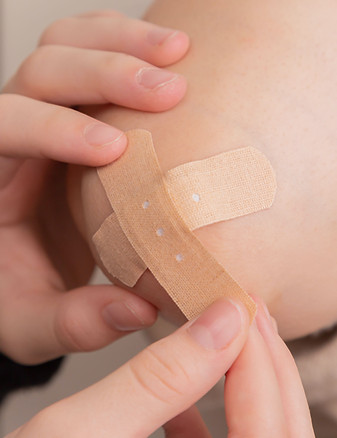
Importance of Wound Care
-
Proper wound care is essential for healing and reducing complications.
Stitches Used
-
Most cases use absorbable (dissolvable) stitches.
-
If nylon stitches are used, they will be removed at your 2-week follow-up or between 3–4 weeks depending on the incision location.
Keeping the Wound Dry
-
Wounds and dressings must always stay dry and in place.
When You Can Wash
-
After stitches are removed and the wound is fully healed:
-
You may wash the foot/leg gently with soapy water.
-
Do not soak the incision in a bathtub or hot tub until fully healed.
-
Follow-Up Education
Detailed wound care instructions will be provided during follow-up appointments.

Elevation/Swelling management
Strict Elevation for First 2 Weeks
-
Keep your foot/leg above heart level for the first two weeks after surgery.
-
Elevate with “toes above your nose” position.
Reduce Pain and Swelling
-
The more you elevate, the less pain and swelling you will have.
-
In the first few days, limit time with your foot down to 10 minutes or less at a time.
Prevent Blood Clots
-
Elevation helps keep blood flowing and lowers the risk of blood clots.
After 2 Weeks
-
Gradually become more active.
-
Listen to your foot/ankle and elevate again when needed.
-
Elevation may still help for months after surgery.
_edited.jpg)
Thromboprophylaxis
Increased Risk
-
Foot and ankle surgery can increase the risk of deep vein thrombosis (DVT) and pulmonary embolism (PE), especially if a cast is applied or you are non-weight bearing.
Blood Thinner Medication
-
If you are in a backslab or circular cast, you will be prescribed thromboprophylaxis (blood thinners) for 4–8 weeks to reduce clot risk.
Travel & Flying
-
Discuss any travel or flying plans with your surgeon before surgery or during follow-up.
More Information
-
Your surgeon will provide more details specific to your case.

Vitamin D supplements
When It’s Prescribed
-
Vitamin D supplements are prescribed for osteotomies or arthrodesis (bone surgery).
Why It’s Important
-
Vitamin D has been shown to improve bone healing (union) and reduce complications.
Follow Your Prescription
-
Take the supplements as directed by your surgeon.

Pins and Needles
What Is Normal
-
Temporary tingling or numbness is common after foot surgery.
-
It can happen due to nerve irritation or swelling and often improves as healing progresses.
When to Contact Your Surgeon
-
Seek medical advice if tingling or numbness is severe, worsening, or not improving, or if you notice:
1. Loss of movement or function
2. Severe or increasing pain
3. Burning sensation
4. Foot or toes becoming cool, pale, or discoloured
5. Signs of infection:
-
Increased pain or swelling
-
Redness or warmth
-
Pus or red streaks on the skin
6. Pain that does not improve with elevation, ice, or medication

When to be concerned and what to do
-
The operated leg may swell and pain at home. But if the swelling and pain persists regardless of elevation, rest and pain medication contact the Practice for further management.
-
If the tingling or numbness is severe or does not improve contact the Practice for further management.
-
If your bandages/backslab/cast got soaking wet contact the Practice for further management.
-
Severe swelling and/or pain in the calf: this could indicate deep vein thrombosis (DVT) (blood clot in leg) which requires urgent evaluation and treatment! Contact the Practice for further management.
-
Profuse bleeding: that soaks through your dressing and increases in size throughout the first day after surgery and discharge to home.
-
Blue or white toes: this indicates a lack of blood flow to the foot, please contact the Practice for further management.
-
If you suspect signs of infection such as increased pain, swelling, redness, warmth, pus, red streaks and pyrexia (fever episodes) please notify the Practice.
-
If the bandages, backslab or circular cast feels too tight that it causes burning sensation, pins and needles, bluish toes that are cool and pale, pressure sores and pressure points, please contact the Practice for further management.